The Pastore della Sila carries a coat shaped by colour, weather, and working life on the Sila plateau of Calabria, southern Italy.
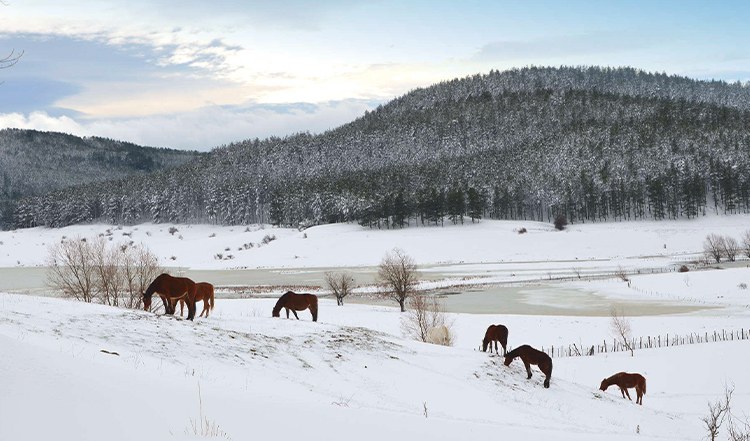
Winter on the Sila plateau: coat is not decoration, but part of how a mountain guardian lives with weather.
Image Source: hotelcristallosila.it
Coatcolour · guard hair · undercoat
Sila climatealtitude · cold seasons · exposure
01 Function
Beauty has a job
The coat of the Sila Sheepdog is often the first thing people notice: long hair, strong presence, and colours that belong to the pastoral world of Calabria. But in this breed, appearance should not be read as ornament.
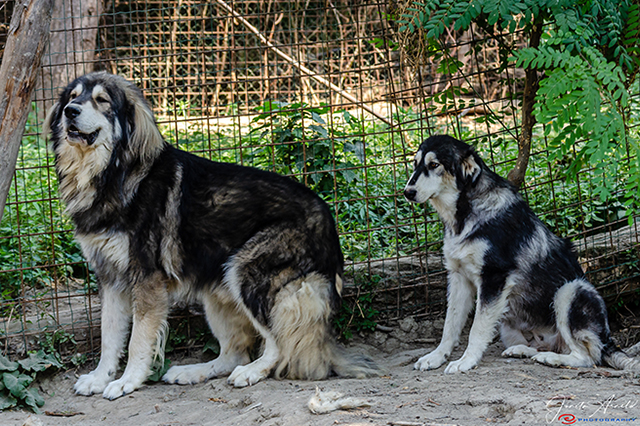
The ENCI standard describes the hair as straight, very abundant, coarse, and only moderately close to the body. The texture is described as semi-vitreous, rather harsh to the touch, and the winter undercoat becomes abundant.
That matters. A dog connected to highland work needs protection from changing mountain conditions: wind, cold, rain, snow, summer dryness, and strong temperature shifts between day and night.
Colour and texture are part of breed identity, but the coat is also a working surface between dog and climate.
02 Colours
Three accepted colour families
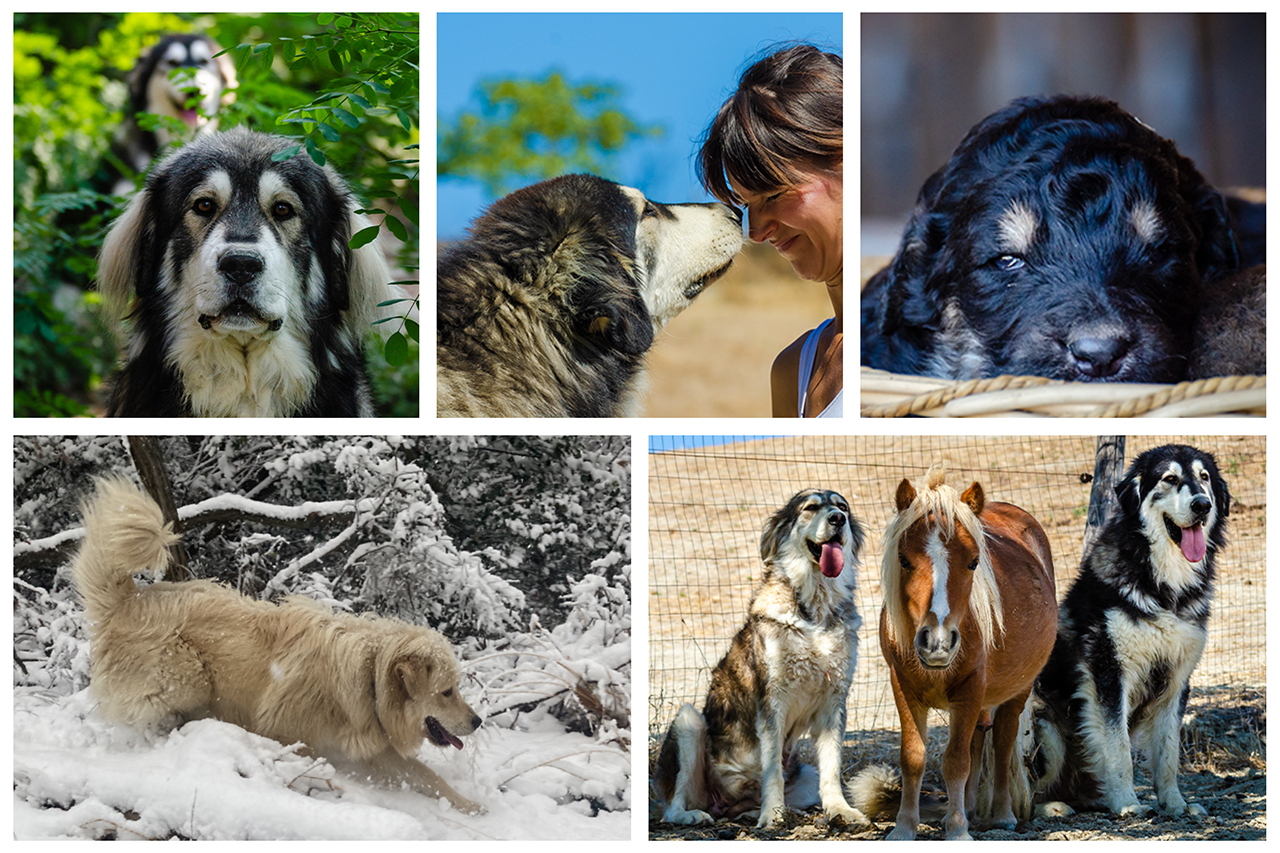
The standard links the permitted coat colours to the indigenous goats bred on the Sila highland. This is a useful way to understand the breed visually: not as a fashion palette, but as a memory of animals, terrain, and pastoral selection.
Black
Pure black with black undercoat. White may appear on the chest, toes, and tip of the tail.
Black and tan
Black with tan markings, ranging from very light cream, known as jelino, to intense fawn. The standard allows only a small white flame on the frontal furrow.
Zibellino / sable
From fawn to grey, more or less intense, mottled with black. White may appear on the chest, toes, and tip of the tail.
In companion life, coat care should respect the original function of the dog instead of treating the coat as simple decoration.
03 Climate
The weather explains the coat
The Sila plateau is not only a scenic background. Official park material describes broad upland plains that average above 1,300 metres, with higher reliefs often rising beyond 1,700 metres. The climate is described as temperate-cold, and temperature and rainfall change with altitude and exposure.
This gives context to the old phrase “a coat for all seasons.” The coat helps the dog live through contrast: warmer months, cold winters, moisture, snow, and mountain wind.
The page avoids extreme temperature claims unless they are specifically sourced. The safer point is enough: the Sila is a highland environment, and the breed’s coat belongs to that environment.
04 Companion care
Do not erase the working coat
For a companion dog, the practical lesson is simple: grooming should support health, comfort, and movement. The coat can be cleaned, brushed, and managed, but it should not be treated as a costume to be cut down for human convenience without understanding what it does.
❄️ Winter undercoatThe standard states that the undercoat becomes abundant in winter.
🌫️ Harsh textureThe hair is described as coarse and semi-vitreous, rather than soft and decorative.
🐐 Pastoral coloursThe permitted colours are linked to indigenous goats of the Sila highland.